OpenAI’s New Ad Strategy
OpenAI’s recent announcement introducing advertising to ChatGPT marks a new chapter in how AI platforms balance accessibility, monetization, and scale. More than a business model shift, it’s a signal of how advanced AI systems will sustain growth while maintaining user relevance — and how brands can engage with these platforms strategically.
What OpenAI’s Ad Strategy Signals for the Future of AI Platform Monetization
🚀 Executive Summary: OpenAI's Advertising Pivot
OpenAI’s decision to integrate advertising into ChatGPT marks a pivotal moment in the AI timeline. It signals a move from pure user acquisition to a balanced ecosystem of accessibility and revenue. We view this not as a compromise, but as a necessary evolution for platform longevity.
This shift fundamentally changes how AI platforms balance scale with sustainability. It is more than a business model update. It is a blueprint for how advanced AI systems will sustain growth while maintaining user relevance.
🏛️ The Three-Pillar Monetization Model
Until recently, OpenAI relied on two primary revenue streams to fund its massive compute costs. These were subscriptions (including ChatGPT Plus, Team, and Enterprise) and API usage. Advertising introduces a critical third pillar to this economic structure.
This new model creates a bridge between premium access and broad affordability. It aligns with the mission to expand access by allowing free users to benefit from generative AI without a paywall.
By diversifying revenue, OpenAI ensures financial resilience. This three-pronged approach—subscriptions, enterprise APIs, and ads—is likely to become the standard for major AI platforms.
🧠 Contextual vs. Interruptive: A New Advertising Paradigm
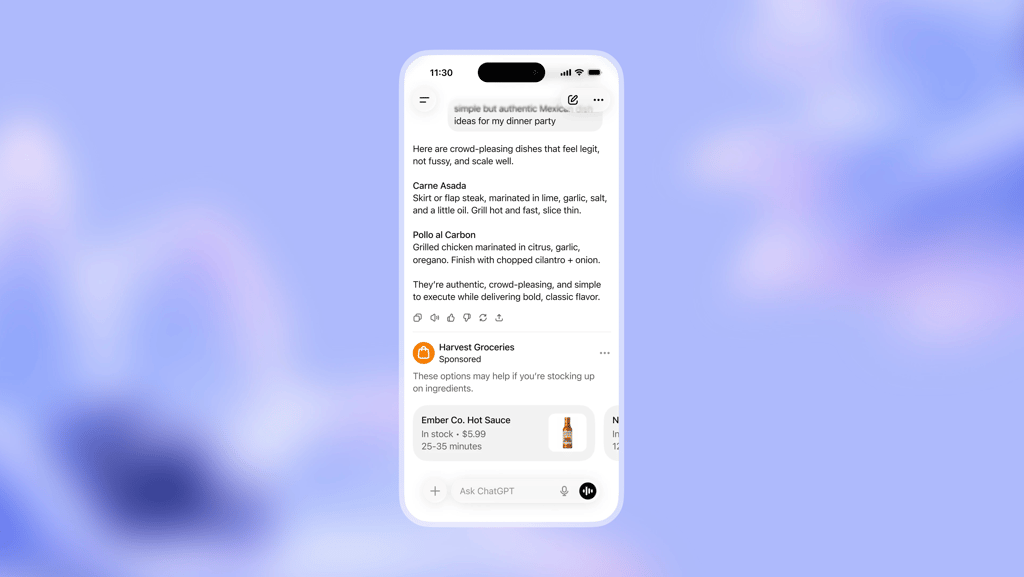
OpenAI has emphasized that these ads will not be traditional banners. They are designed to be contextually relevant and native to the conversation. This distinguishes them from the disruptive display advertising of the Web 2.0 era.
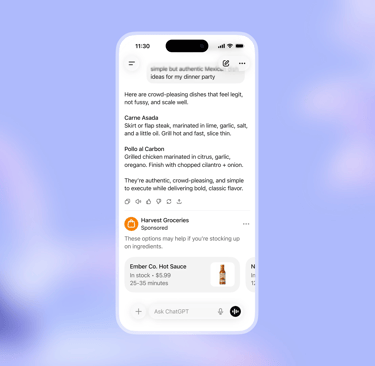
The focus is on native sponsorship. Ads will appear as clearly distinguished suggestions within the conversational flow. This ensures that the user experience remains fluid and helpful rather than cluttered.
We believe this approach is essential for retaining user trust. In an AI environment, relevance is the only metric that matters.
🎯 Intent-Based AI Advertising: The Next Evolution Beyond Search
If executed correctly, this opens a new category of marketing. We call this intent-based AI advertising. It moves beyond the "query-based discovery" of traditional search engines.
Instead, brands can engage users at the exact moment of inquiry. This is AI-assisted recommendation where solutions align specifically with user needs.
This represents a major shift toward a zero-click future. Users get answers and recommendations immediately, without navigating away to a list of blue links.
📈 Market Opportunity: 100M+ Weekly Active Users
The scale of this opportunity cannot be overstated. ChatGPT currently boasts over 100 million weekly active users. This represents a massive pool of high-intent engagement.
These are not passive scrollers. They are active users seeking answers, solutions, and creative assistance. For brands, this offers access to a highly engaged audience that is already in a problem-solving mindset.
Accessing this audience requires a new strategic approach. It is about being the answer, not just being visible.
Strategic Implications for Marketers and Brands
For marketing leaders, this development significantly expands the channel mix. However, the rules of engagement are different here. The most valuable asset is no longer visual space.
It is contextual intelligence. Brands that invest early in understanding conversational dynamics will lead in engagement efficiency.
We anticipate that early adopters will define the best practices for this medium. Success will depend on data-driven creative optimization and aligning brand narratives with intelligent systems.
⚡ Industry Precedent and Competitive Landscape
OpenAI’s ad model sets a precedent for the entire industry. It attempts to merge revenue diversification with user-centered experience design.
This move will influence competitors across the generative AI landscape. Platforms like Perplexity and Google are already exploring similar paths.
It underscores a broader trend where monetization is built into the utility of the product. The platforms that balance this best will dominate the market.
💼 From Innovation to Sustainable Commercialization
This launch is a strategic signal for all business leaders. The AI economy is shifting from an era of pure innovation toward sustainable commercialization.
Monetization is no longer an afterthought. It is being integrated thoughtfully to define long-term relevance.
We help brands navigate this complex, AI-driven world. To stay competitive in this new landscape, you need the right intelligence and tools.
Ready to future-proof your brand strategy? Contact Blackbird today.
Frequently Asked Questions
Why is OpenAI adding ads to ChatGPT?
OpenAI is diversifying revenue beyond subscriptions and API usage to fund massive compute costs while keeping ChatGPT free and accessible. Ads create a sustainable three-pillar monetization model that balances profitability with broad user access.
How will the ads work differently from traditional online advertising?
OpenAI's ads will be contextually relevant and native to conversations, appearing as clearly distinguished suggestions within the chat flow rather than disruptive banners. This maintains user experience quality and trust through relevance-based placement.
What makes ChatGPT's 100M+ users valuable to advertisers?
ChatGPT users are highly engaged, active problem-solvers seeking answers and solutions—not passive scrollers. This creates a high-intent audience already in a decision-making mindset, offering brands direct access to motivated users.
What is "intent-based AI advertising"?
It's a new marketing category where brands engage users at the exact moment they're asking questions, providing solutions aligned with specific needs. This moves beyond traditional search engine rankings toward immediate, zero-click answers.
What should marketers do to prepare for this shift?
Marketers should invest in understanding conversational dynamics and contextual intelligence rather than competing for visual space. Early adopters who optimize creative for AI systems and align brand narratives with intelligent recommendations will lead in engagement efficiency.
Check out our related articles
Contact



Blackbird gen ai ltd. ALL RIGHTS RESERVED